

By Adonis Yagou
Cyprus, an island with rare natural beauty and rich biodiversity, faces serious environmental problems that are exacerbated by indifference and lack of effective policies on the part of the rulers. From uncontrolled construction and deforestation to air and water pollution, Cyprus is facing an environmental crisis that threatens both the quality of life of citizens and the natural heritage of the country.
Ronate building and destruction of the natural landscape: The uncontrolled expansion of urban areas and reckless tourism development have led to the destruction of many natural areas. In many coastal zones, luxury hotels and residential complexes, they are built without substantial design, destroying important habitats and depriving wildlife its natural environment.
Legalization of arbitrariness and loose controls of local authorities allow the Cypriot landscape to be constantly altered. Governments over time have succumbed to the pressures of real estate big businessmen, promoting projects that sacrifice the environment in the name of “development”. A typical example is the construction of tall buildings in the coastal areas, which not only alter the image of cities but also increase the consumption of energy and water.
Deforestation deforestation and illegal tree cuts: Cypriot forests face serious threats due to illegal deforestation and violations. Each year, large areas of forest areas are lost either due to fires or due to illegal logging. Although climate change increases the risk of fires, the absence of precautionary measures and the delay in fighting them reinforce the problem.
At the same time, in urban areas, trees are often cut without sufficient studies or alternatives. The reckless removal of trees in the cities destroys micro -livestocks, deprives birds and insects their natural shelter and reduces shading and air quality.
Waste management and pollution: Cyprus is facing a serious waste management problem, as recycling remains at very low levels. Landscapes continue to operate in many areas, while illegal disposal of waste burdens the natural environment.
Plastic waste and marine pollution are also a major issue, with many beaches and waterways full of rubbish. Uncontrolled sewage rejection and pollution by industrial units exacerbate the situation, endangering public health and marine ecosystem.
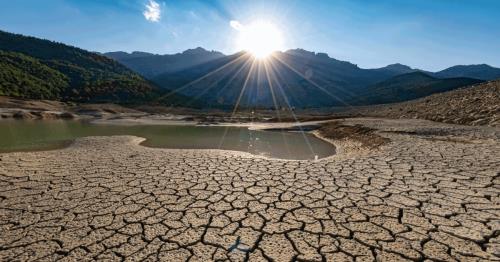
Water Resources Overward: Cyprus is a country with limited water resources, and yet their poor management continues. The overpowered groundwater for irrigation purposes, coupled with water pollution, has led to a reduction in the availability of clean water.
Governments have been promoting solutions such as desalination over time, but which have high costs and environmental impacts. Instead of emphasizing water saving and renewable resources, the management policy is based on short -term solutions that do not deal with the problem at its root.
The issue of Akamas: Akamas, one of the last virgin areas of Cyprus, is under constant threat of construction projects and political pressures that favor private development over environmental protection. Despite repeated warnings from environmental organizations and the European Union, the rulers continue to allow projects that destroy the only ecosystem of the region. The fragmentation of the Natural Park, anarchic construction and uncontrolled tourist exploitation endanger the flora and fauna of Akamas, making Cyprus accountable internationally for its inability to preserve its environmental heritage.
The inaction of the rulers and the International Report of Cyprus: Despite continuous reports and warnings by international organizations, Cypriot governments are still indifferent to the seriousness of the environmental crisis. The European Union has repeatedly imposed fines on Cyprus for non -compliance with its environmental obligations, especially in the field of waste management and the protection of biodiversity.
The lack of long -term strategy and the complexity with great financial interests lead to the extension of problems. Environmental issues are treated as subordinate issues, while the legislation voted on is not implemented in practice.
Conclusion
The environmental crisis in Cyprus is not just a problem of the future, but a reality that already affects our lives. Without immediate interventions, Cyprus is in danger not only to lose its natural heritage, but also to be exposed internationally as a country that does not respect its environment. Changing mentality and political will are necessary to ensure a sustainable future for future generations.