

Although the art of caves is mainly studied by archaeologists and anthropologists, many art critics argue that it belongs to the core of art history.
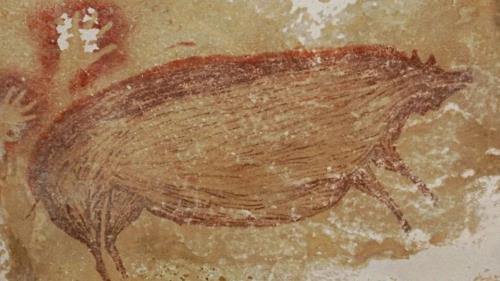
The discovery, in 2018, of the oldest known painting in cave On the island of Sulawesi, Indonesia, it overturned the European belief that the first artistic expressions came exclusively from southern Europe.
The findingwhich depicts a wild boar along with human figures, dated 50,000 years ago, rejecting the idea that the first figurative representations come from the famous caverns of Lascaux and Niaux in France.
The importance of this discovery goes beyond the mere revision of cave art – it proves that the early people had developed narrative thinking and visual communication, skills that remain fundamental to art to date.
Why the caverns is part of the story of art
Although the art of caves is mainly studied by archaeologists and anthropologists, many art critics argue that it belongs to the core of art history.
These first images of animals, humans and landscapes are the first examples of visual narrative – a technique used to date in cinema, painting and comics.
Professor Maxim Ober from Australia’s Griffith University stressed that these creations prove that our ancestors had abstract thought, which highlights their importance in the evolution of the human mind.
The narrative of stories, today expressed through literature, theater and cinema, was vital to the people of prehistoric times, as it is for us today.
The real legacy of human creativity
Art is not exclusively a European affair. Expression, color use and perspective are not inventions of the West, but are inherent in humans. From the caverns of Indonesia and Africa to the painting of the Aztecs and the sculptures of Chinese dynasties, art is a global language associated with human existence itself.
Recognizing the value of non -European art, we not only enrich our historical perception, but also attribute the necessary respect to the cultural roots of all humanity.
Source: cnn.gr