
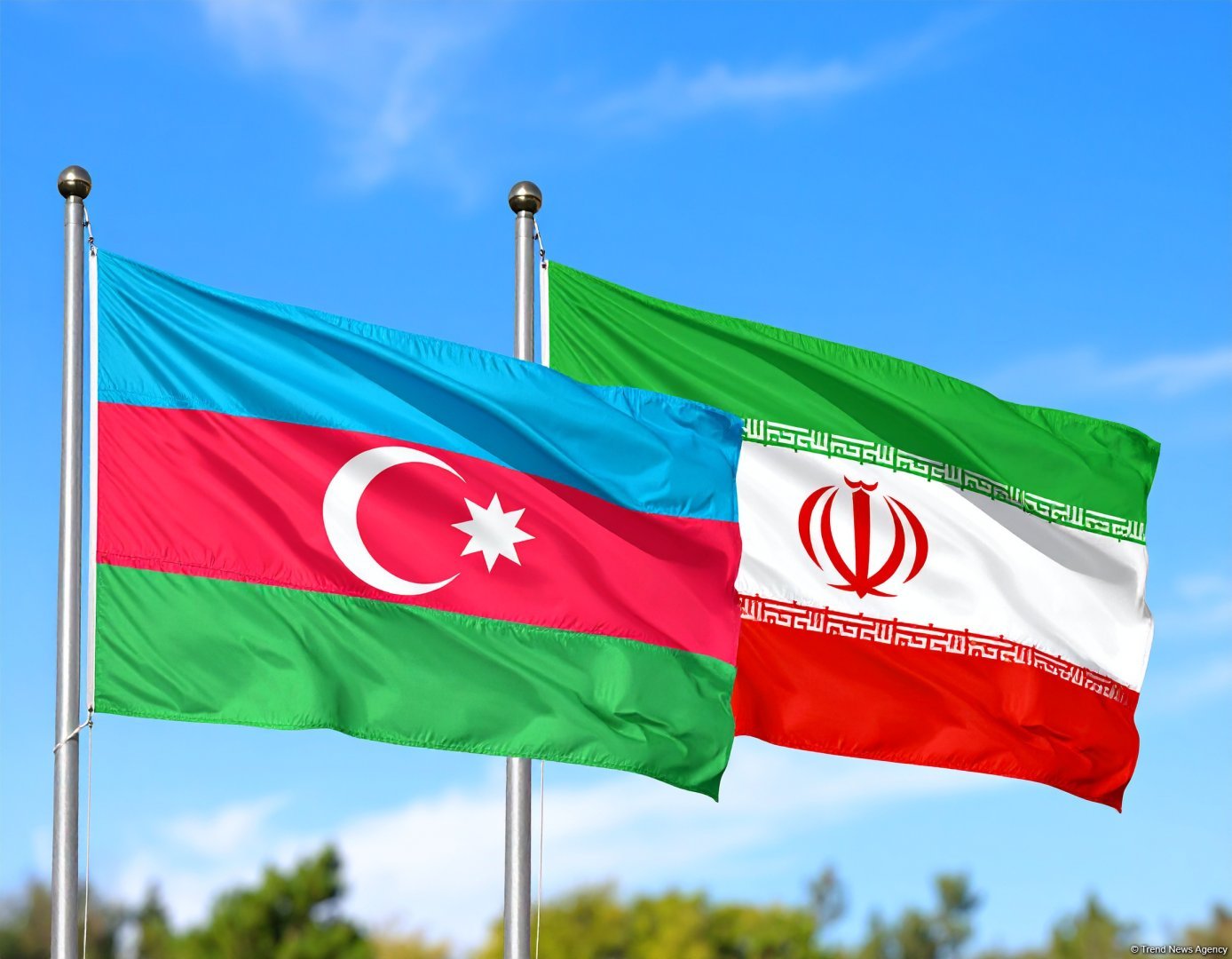
Baku, Azerbaijan, April 27. Iranian President
Masoud Pezeshkian will arrive in Azerbaijan on April 28, as the two
countries strengthen cooperation amid growing regional dynamics.
The visit highlights the increasing strategic importance of
economic ties between Tehran and Baku.
Bilateral economic relations have shown steady positive
momentum. In 2024, trade between Azerbaijan and Iran reached $580
million, marking a 20% increase compared to the previous year.
However, ambitions go far beyond current figures. According to
Iran’s Minister of Roads and Urban Development Farzaneh Sadat, Baku
and Tehran aim to boost annual bilateral trade to $10 billion
within the next five years.
Iran is actively working to dismantle barriers to trade and sees
its growing collaboration with Azerbaijan as a model for building
ties with other regional countries. A notable aspect of
Pezeshkian’s visit will be the participation of more than 100
representatives from Iran’s private sector, underlining Tehran’s
efforts to make private enterprise a key driver of bilateral
cooperation.
Energy cooperation remains a cornerstone of the strategic
partnership. In May 2024, the two countries commissioned the
Khudafarin and Giz Galasyi hydropower complexes on the Araz River.
Together, these projects will provide irrigation for over 400,000
hectares of agricultural land across both countries and generate up
to 280 MW of electricity, significantly contributing to the energy
security of border regions.
Transport infrastructure development is another major priority.
Azerbaijan and Iran are actively cooperating within the framework
of the International North-South Transport Corridor, which connects
India, Iran, Azerbaijan, Russia, and Europe. Key projects include
the construction of the Rasht-Astara railway line, set to be
completed in 2025, and the launch of new road and rail bridges over
the Astarachay River, both expected to significantly enhance cargo
transport efficiency.
Particularly important is the planned establishment of the East
Zangezur-Nakhchivan transport corridor through Iranian territory.
This route will provide a direct connection between mainland
Azerbaijan and its Nakhchivan exclave. Strategically, the project
opens new opportunities for expanding trade and transit flows
between Central Asia, the Caucasus, and the Middle East, while also
reinforcing Baku’s role as a key transit hub in Eurasia.
Agricultural cooperation is also advancing to a new level. In
2024, Azerbaijan and Iran agreed to establish joint agricultural
zones in border areas, expand Azerbaijani agricultural exports to
Iran, and make full use of the new irrigation infrastructure tied
to the Giz Galasi hydropower project. In the context of global food
security challenges, strengthening agricultural partnerships has
become a strategic priority, enhancing the resilience of both
economies.
President Pezeshkian’s visit marks the beginning of a new phase
in Iran’s regional diplomacy. Tehran’s drive to deepen relations
with Azerbaijan reflects not only economic aspirations but also the
strategic necessity of expanding external economic ties amid
continuing international sanctions.
With its developed transport infrastructure, stable economy, and
growing influence on Eurasian trade routes, Azerbaijan is becoming
a vital partner for Iran and a gateway to new markets.
Strengthening bilateral relations could lay the foundation for a
new regional economic order, where mutually beneficial cooperation
and strategic initiatives shape the future of the South Caucasus
and the broader region.