
The rapid decline in the level of the Caspian Sea affects the ports and transportation of oil and threatens to cause catastrophic damage to the populations of sturgeon and seal, according to Azerbaijan officials.
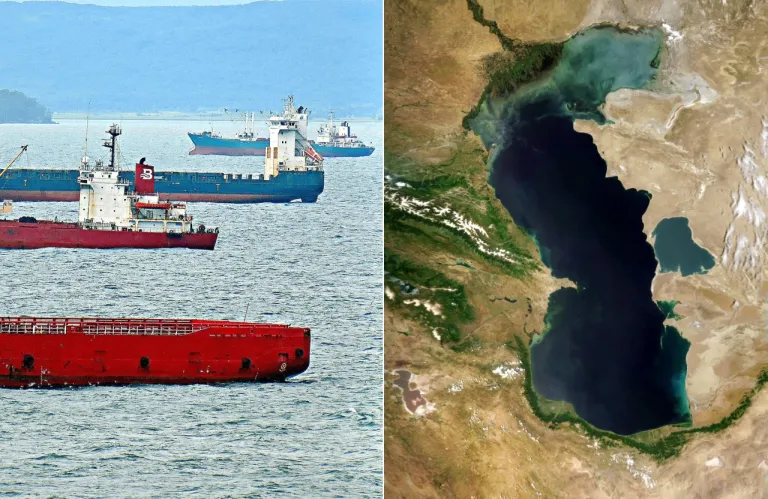
The Caspian, the largest salty lake in the world, has significant oil reserves and borders five countries that are all important oil or gas producers or both: Azerbaijan, Iran, Kazakhstan, Russia and Turkmenistan.
Azerbaijan Deputy Minister of Ecology, Rauf Hadjiyev, told Reuters that the sea has been more shallow for decades, but evidence shows that the trend is accelerating.
Its level has fallen by 0.93 meters in the last five years, by 1.5 meters in the last 10 and 2.5 meters in the last 30, he said in an interview, estimating the current reduction rate of 20-30 cm per year.
“The recession of the coastline changes natural conditions, disrupts economic activity and creates new challenges for sustainable development,” said Hadjiyev, who represents Azerbaijan in a joint working group with Russia who first met in April.
Despite the deterioration of relations between the two countries, according to the protocol signed between the two countries, the working group plans to approve a joint online program in September to monitor and address the issue.
Russia links the problem mainly to climate change, but Azerbaijan accuses Russia of making dams on the Volga River, which provides 80% of the water entering the Caspian.
Hadjiyev said that water levels are already affecting the lives of coastal populations and the work of ports. About 4 million people live on the shores of Azerbaijan and about 15 million in the Caspian area as a whole.
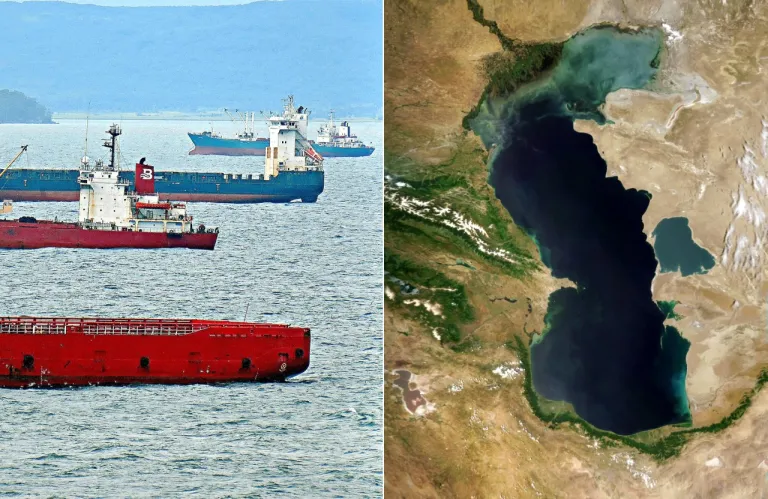
He said ships are facing increased difficulties when entering and maneuvering in the port of Baku, the capital of Azerbaijan. This reduces the load capacity and increases the management costs, he added.
Hadjiyev said that water retreats wetlands, lagoons and reeds and threatens the survival of certain marine species.
The biggest blow is for sturgeon, which is valuable to its caviar, which is already threatened with extinction. They lose up to 45% of their summer and autumn habitats and are cut off by their traditional breeding places in the rivers.
Caspian seals are also threatened by the shrinkage of the maritime area and the disappearance of the seasonal ice fields in the north, where they are reproduced, he added.
“With a decrease of 5 meters in the sea level, seals lose up to 81% of their breeding sites, and with a fall of 10 meters, they lack almost completely suitable places,” Hadjiyev said.
Source: KYPE