
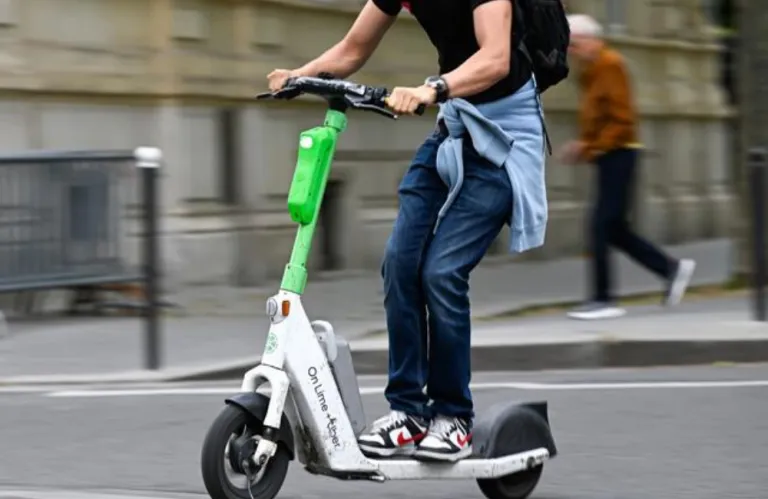
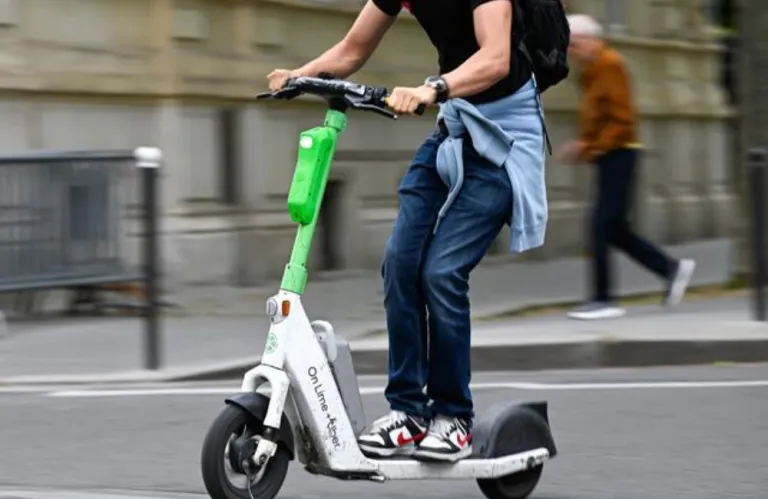
“Although electric scooters provide a convenient, low-cost and environmentally friendly transportation solution, their use is associated with several ergonomic and riding-related hazards that may affect rider health and public safety.” This is what the professor of Biomechanics – Ergonomics & Sports Traumatology SEFAAD-TEFAA at the University of Thessaly, Panagiotis V. Tsaklis, emphasizes to the Athenian-Macedonian News Agency.
Static posture on the skates
“From an ergonomic point of view,” the researcher notes, “the operation of electric skates often requires riders to maintain a static posture for extended periods. This posture can lead to musculoskeletal strain, particularly in the lower back, neck, shoulders, wrists and knees.
Riders often adopt a slight forward lean to maintain balance and control of the handlebars, increasing muscle tension and physical fatigue. In addition, constant exposure to vibrations transmitted through the handlebars and foot platform—especially on uneven or damaged pavement—can contribute to hand-arm vibration syndrome, with wrist discomfort, numbness, and reduced grip strength.
These effects are more pronounced on skates equipped with small solid tires and limited suspension systems.’
“Eyestrain, neck stiffness and cognitive fatigue”
“Maintaining balance during skate operation also imposes biomechanical challenges on the lower extremities. Riders,” continues Mr. Tsaklis, “are constantly making small postural adjustments to stabilize the vehicle, which can lead to leg fatigue, calf muscle strain, and ankle discomfort.
In addition, repetitive use of throttle and brake mechanisms that operate with the rider’s thumb can contribute to tendon irritation and repetitive strain injuries affecting the fingers and hands. Exposure to the driving environment, including wind, glare, and constant visual scanning for hazards, can cause further eye strain, neck stiffness, and cognitive fatigue.
But apart from ergonomic concerns, the use of electric scooters presents significant risks to driving and operational safety. One of the most important risks,” according to Mr. Tsaklis, “includes falls and loss of control of the vehicle. Because of their relatively small wheels and lightweight construction, electric scooters are particularly sensitive to road irregularities such as potholes, wet pavement, gravel, and surface debris or trash. Sudden braking or driving with one hand can further compromise the vehicle’s stability. Compared to bicycles, electric scooters generally provide lower levels of balance and shock absorption, increasing the likelihood of accidents.
The risk of a collision
In addition, the risk of a collision is a major safety concern. Electric scooters are often less visible to motorists and pedestrians due to their compact dimensions and quiet electric motors. Common accident scenarios include collisions with turning vehicles, impacts caused by suddenly opened car doors, and pedestrian interference in public urban spaces. In addition, he points out, riders are largely unprotected during crashes, which contributes to increased injury rates.
Commonly reported injuries include wrist fractures, head trauma, facial injuries, shoulder dislocations, and abrasions. Not wearing a helmet significantly increases the severity of head injuries, risking the rider’s loss of life. Environmental conditions also affect driving safety. Rain, ice, strong wind and rough terrain significantly reduce traction and increase braking distances, thus increasing the chance of an accident. Night driving introduces further challenges related to reduced visibility and reduced risk perception. Even moderate skate speeds can cause serious injuries during crashes because riders lack the structural protection available in enclosed vehicles.
Additional factors can exacerbate both ergonomic and safety-related risks and include poor skate design, inadequate suspension systems, worn tires, excessive vehicle speed, heavy traffic conditions, and rider distraction, particularly cell phone use.
On the contrary, he emphasizes that specific risk mitigation strategies can significantly improve rider safety and comfort. The use of helmets, reflective clothing, lighting systems and protective gloves can reduce the severity of injury and improve visibility. Ergonomic improvements such as adjustable handlebars, pneumatic (umbrella) tires and suspension systems can reduce exposure to vibration and musculoskeletal strain. In addition, safe driving practices, including reducing speed on rough surfaces, keeping both hands on the wheel, and avoiding adverse weather conditions, can significantly reduce the risk of an accident.
According to Mr. Tsaklis, while electric scooters represent an innovative and sustainable transportation alternative, their operation is associated with significant ergonomic and driving risks. Addressing these risks through improved vehicle design, rider education, infrastructure adaptation and safety regulation is essential to ensure the long-term sustainability and safe integration of electric scooters into urban transport systems.
Source: RES – BEE