
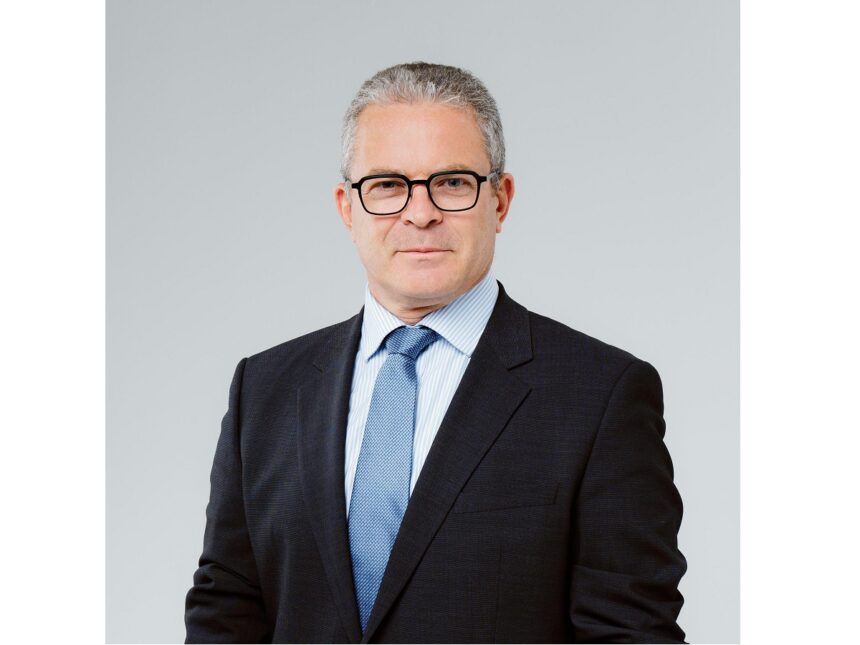
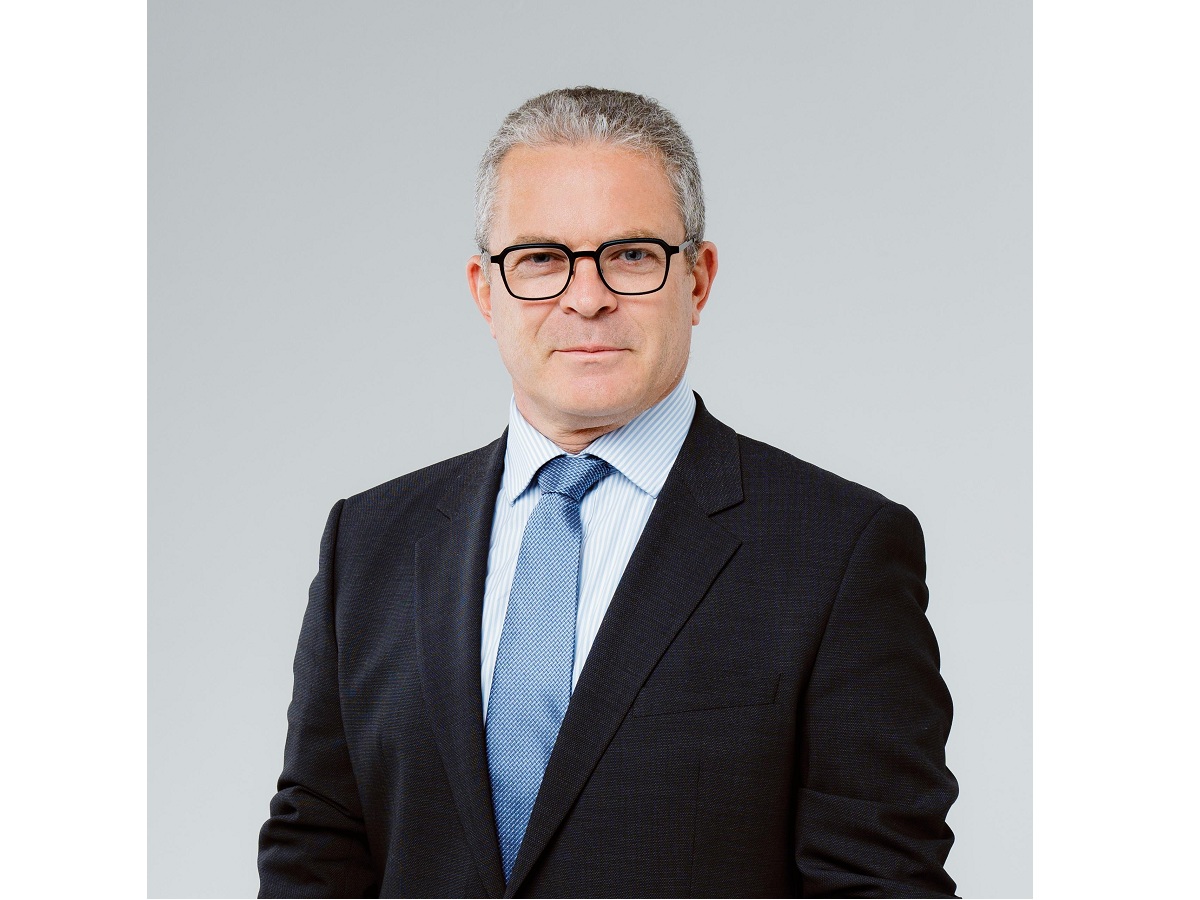
Baku, Azerbaijan, March 29. Alstom underscores
the pivotal role of Central Asia as a gateway and transportation
hub for numerous countries, said Jerome Boyet, Managing Director of
Alstom in Western and Central Asia, in an interview with Trend.
“Central Asia is a crucial gateway to the region and a
significant transportation hub for numerous countries. Our
long-term vision is to reinforce this strategic position by
enhancing our contributions to regional economic integration and
sustainable transportation goals,” Boyet said.
To achieve these objectives, Alstom has committed to developing
its human and industrial capacities in alignment with customer
needs. “A prime example of this commitment is our ongoing
development of services that provide our customers with a
predictable and reliable outlook on their operating costs. By
securing the availability and reliability levels of their assets,
we aim to support our clients for up to 25 years, ensuring they can
operate with confidence and efficiency,” Boyet noted.
He further highlighted the company’s focus on promoting
sustainable transportation solutions that align with eco-friendly
economic growth. “Through our innovations and advanced
technologies, we aim to make significant strides toward more
efficient, greener rail networks that support the wider objectives
of sustainable development in the region,” Boyet added.
Alstom’s commitment to the modernization of transport
infrastructure extends to fostering collaboration among nations.
“As Central Asia continues to evolve, Alstom is dedicated to being
a proactive partner in this journey, contributing to the
modernization of transport infrastructure and fostering
collaboration among nations to enhance interconnectivity and
economic prosperity,” Boyet stated.
The company’s strong presence in Kazakhstan serves as a
foundation for its regional ambitions. Boyet pointed to
Kazakhstan’s strategic role in facilitating exports of locomotives
and rail equipment to neighboring countries. “There are indeed
significant opportunities to export locomotives and other rail
equipment to neighboring countries. We welcome these opportunities
as our manufacturing setup in Kazakhstan is fully capable of
meeting the needs of the region and extending our reach to the
broader 1520 gauge market,” he explained.
Boyet emphasized the advantages of Alstom’s local expertise and
advanced manufacturing capabilities. “Our strategic location and
advanced manufacturing capabilities empower us to efficiently
produce high-quality rail solutions that cater to the specific
requirements of Central Asian countries. By leveraging our local
expertise and relationships, we can respond effectively to the
growing demand for modern, efficient rail transport in neighboring
markets,” he said.
Sustainability remains at the core of Alstom’s operations,
positioning the company as a preferred partner for countries
seeking to enhance their rail infrastructure. “Furthermore, our
commitment to sustainability and technological innovation positions
us as a preferred partner for countries looking to enhance their
rail infrastructure. We are excited about the potential to expand
our exports and contribute to the development of neighboring
railway systems, ultimately fostering greater connectivity and
economic collaboration across the region,” Boyet concluded.