
Baku, Azerbaijan, April 1. The massacres
organized by the Bolsheviks and Armenian armed groups from March
through April 1918 have remained one of the most tragic events in
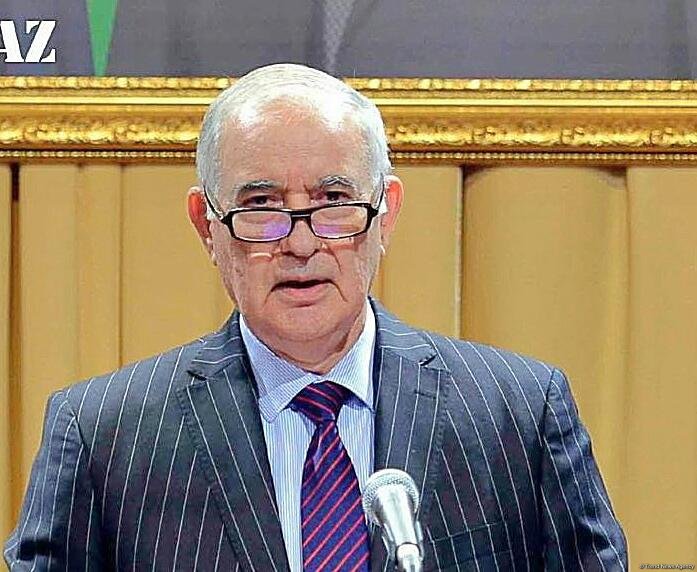
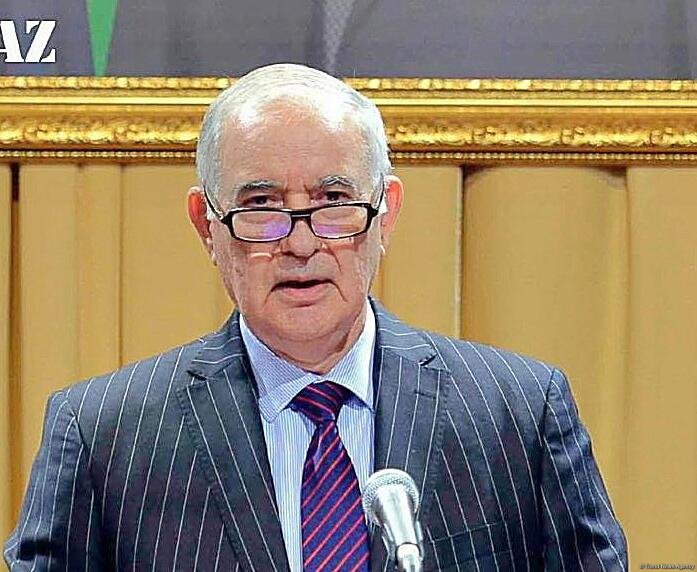
Azerbaijan’s history, political analyst Azer Garayev told Trend.
He noted that these events, particularly in Baku, Shamakhi,
Guba, Karabakh, Zangezur, Nakhchivan, and other regions, resulted
in large-scale genocides.
“In March 1918, under the orders of the Baku Soviet and its
leader, Stepan Shaumyan, Armenian Dashnak militants carried out
mass slaughters against civil Azerbaijanis.
From March 30 through April 2, thousands of Azerbaijanis were
killed in Baku, and mosques and residential areas were burned. At
the same time, in the Shamakhi district, an Armenian Dashnak-led
massacre completely destroyed 58 villages, and more than 7,000
civilians, including women, children, and the elderly, were killed.
The brutality of these massacres was such that the Armenian
militants tried to erase the traces of their crimes by burning the
bodies of the murdered Azerbaijanis.
Moreover, Armenian Dashnaks and other armed groups attacked the
Guba region, looted villages, and killed thousands of Azerbaijanis.
The Guba Mass Grave remains one of the most painful pieces of
evidence of this tragedy. In Karabakh, Zangezur, Nakhchivan, and
other regions, Armenian armed groups also committed massacres,
killing thousands of civilians, burning villages, and destroying
homes.
In total, as a result of the genocide in 1918, more than 20,000
Azerbaijanis lost their lives, thousands were injured, and more
than 115 villages and cities were completely destroyed. This left
indelible scars in the memory of the Azerbaijani people,” he
noted.
The political scientist emphasized that the March 31 genocide is
one of the darkest chapters in the history of the Azerbaijani
people.
“In 1998, National Leader Heydar Aliyev declared March 31 as
‘Azerbaijanis’ Genocide Day,’ ensuring that this tragedy would be
remembered in the historical memory of the Azerbaijani people.
Today, the Azerbaijani government and non-governmental
organizations continue to carry out extensive work for the
recognition of this genocide and its awareness in the international
community. Every year, memorial events are organized on the
anniversary of the March 31 genocide to honor the memory of the
martyrs.
The Azerbaijani government also provides financial support for
scientific research related to the genocide, prepares documentary
films, and organizes relevant exhibitions. Additionally, on
December 30, 2009, President Ilham Aliyev signed a decree on the
establishment of the ‘Genocide Memorial Complex’ in Guba city to
highlight the territorial claims and aggressive policies of
Armenian nationalists against Azerbaijan, expose their bloody
crimes to the world, protect the national memory of future
generations, and immortalize the memory of the victims of the
genocide.
The Guba Genocide Memorial Complex was inaugurated on September
18, 2013. The Azerbaijani government continues to make efforts to
ensure that this historical tragedy is recognized internationally,”
Garayev added.
Garayev expressed regret that the international community
remains indifferent to this tragedy.
“While many genocides are recognized worldwide, the March 31
genocide has yet to receive the necessary international legal
acknowledgment. As Armenia’s fraudulent ‘Armenian genocide’ claims
dominate world politics, real genocides committed against
Azerbaijanis are ignored. These double standards are one of the
main problems faced by Azerbaijani diplomacy.
Nevertheless, the Azerbaijani government will continue its
efforts to convey historical truths to the world. The March 31
genocide is an unforgettable tragedy in the history of the
Azerbaijani people. The Azerbaijani government and society will
continue their efforts to ensure that this historical event is
recognized globally. It’s crucial for international organizations
and states to approach this issue with fairness. The dissemination
of the truth and its transmission to future generations are key
responsibilities to ensure that the crimes committed by the
Armenians a century ago are not forgotten,” the analyst
concluded.
Stay up-to-date with more news on Trend News
Agency’s WhatsApp channel