
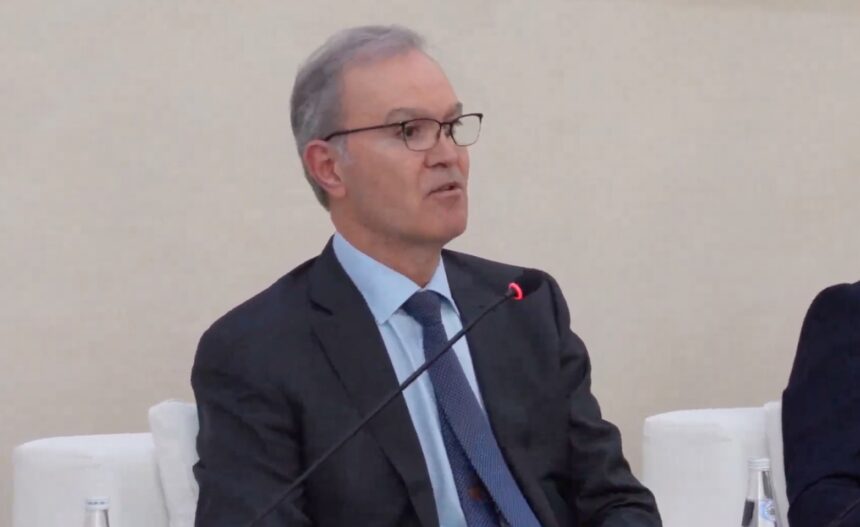
BISHKEK, Kyrgyzstan, May 2. Increasing US
tariffs and possible retaliatory actions are not expected to have a
direct impact on the economies of the Caucasus and Central Asia
(CCA), Thanos Arvanitis, Deputy Director of the IMF’s Middle East
and Central Asia Department, said, Trend reports.
Speaking during the launch of the IMF’s Regional Economic
Outlook for the CCA, Arvanitis emphasized that non-oil exports from
the region to the United States remain minimal—less than half a
percent of GDP—limiting the direct effects of trade tensions.
However, he cautioned that indirect effects could be more
pronounced, stemming from three key channels: slower global growth,
financial market volatility, and pressures on major trading
partners.
Arvanitis noted that among the key risks are slowing global
economic growth, increased financial market volatility, and weaker
performance among major trading partners such as China and Russia.
These factors could weigh on regional demand and external trade
flows, particularly in export-oriented sector
He also pointed to increased financial volatility observed in
early 2025, including a rise in borrowing costs for many emerging
markets, which could further challenge economic stability in the
region.
Arvanitis also noted that gold prices have reached historic high
levels, and this will be good for countries like Uzbekistan and
Tajikistan, which are major gold producers and therefore would have
a positive impact on these economies.
“Unfortunately, we see different channels that this could affect
various economies, and unfortunately, all of our countries need to
be prepared to address this new environment of higher volatility in
2025,” he said.
Stay up-to-date with more news on Trend News
Agency’s WhatsApp channel