
Baku, Azerbaijan, April 22. International
observer of Chinese Central Television (CCTV), political analyst
Malik Ayub Sumbal, visited Azerbaijan, Trend reports via the State Committee on Work
with Diaspora.
Meanwhile, the Pakistani journalist visited the tomb of National
Leader Heydar Aliyev and laid flowers. Visiting the Alley of
martyrs and Second Alley of Honorable Burial, he honored the memory
of martyrs.
The journalist visited Shusha, Khankendi, and Aghdam as part of
the visit. Malik Ayub Sumbal visited Mehmandarov’s mansion in
Shusha, Yukhari Govhar Agha Mosque, monuments that were shot, “Khan
gizi” spring, Vagif’s mausoleum, and Jidir Duzu. He was briefed on
the construction works being carried out in the city.
Malik Ayub Sumbal visited Garabagh University in Khankendi and
reviewed the activities of the higher educational institution.
Afterwards, he visited the Asgaran fortress, built in the 18th
century by the order of Karabakh ruler Panahali Khan and considered
a bright example of Azerbaijani architecture. The journalist was
informed about the history of the fortress.
Sumbal visited the grave of Khurshidbanu Natavan in Aghdam’s
Imaret Complex, Juma Mosque. He also witnessed restoration and
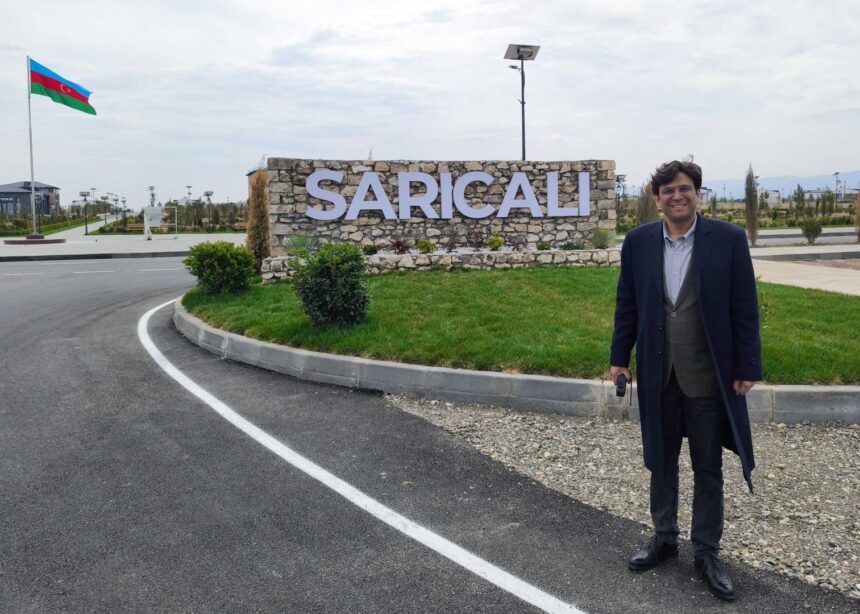
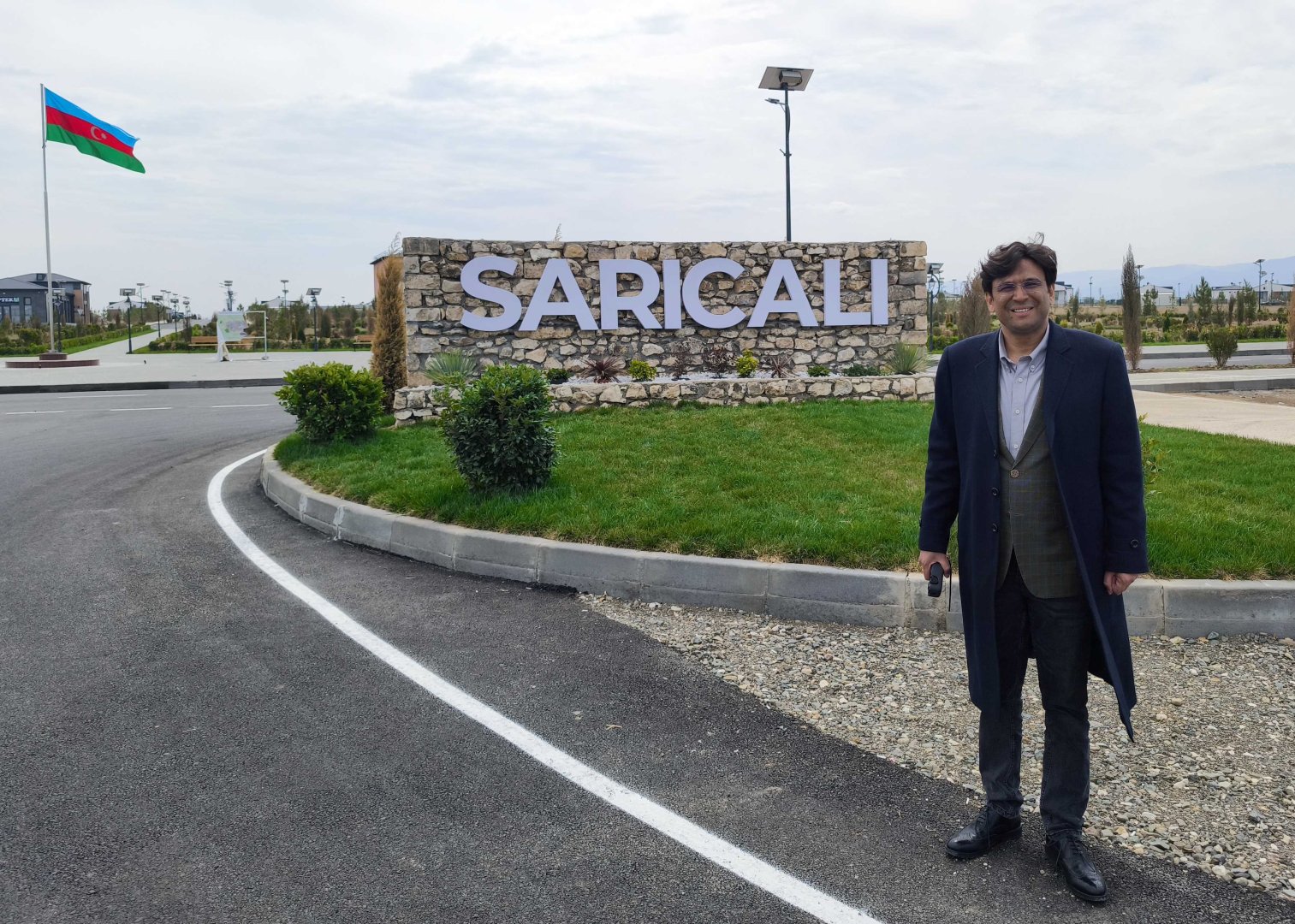
rehabilitation works carried out in Sarijali village.
As part of his visit to Azerbaijan, the journalist visited the
State Committee for Work with Diaspora and met with young
volunteers and employees. Sharing his impressions about his trip to
Karabakh, he praised the reconstruction and construction works
being carried out in the region.
At the meeting, Sumbal answered the questions of the youth. The
sides exchanged views on issues of mutual interest. The journalist
noted that the activities of volunteers make a great contribution
to the development of society and support sustainable
development.
Malik Ayub Sumbal is the author of the book “From Tovuz to
Karabakh: A Comprehensive Analysis of War in South-Caucasus”. His
article on the contribution of national leader Heydar Aliyev to the
development of modern Azerbaijan was published on the website of Il
Nodo di Gordio, a renowned Italian think tank.