
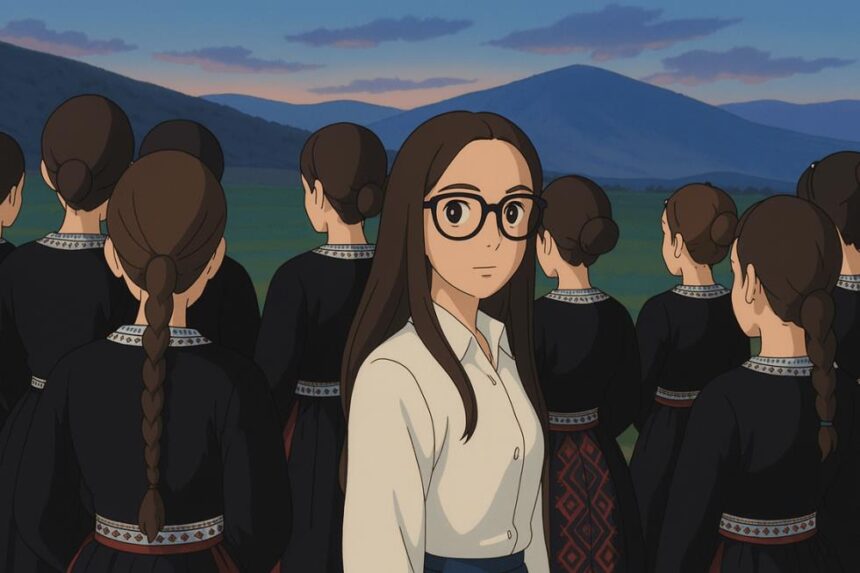
Artificial intelligence models that produce images, such as that of Chatgpt and Midjourney, can mimic the style of Hayao Miyazaki by receiving only a few instructions and a reference image by the user.
Since Openai, the manufacturer of Chatgpt, announced that its artificial intelligence model can now produce images based on the aesthetics of specific artists, social media has been filled with frames that mimic the unparalleled style of Studio Ghibli films.
This is the flagship studio of anime production, that is, the unique style of cartoon that has been identified with masterpiece director Hayao Miyazaki. Thus, in recent days there have been many images that depict real events, but they look like they have come out of works by the Japanese creator such as “Spirited Away” and “My Neighbor Totoro”.
The trend soon went viral at Tiktok, X (formerly Twitter) and Instagram, with users sharing images created by artificial intelligence accompanied by labels such as #Ghiblistyle and #aiart.

Claudia
But although the new, developed potential of the Openai model have caused excitement, there are few who have expressed their dissatisfaction with exactly how these images are produced.
The aesthetics of the Ghibli studio is immediately recognizable, with Miyazaki having spent decades cultivating a particular aesthetic identity, deeply rooted in handmade animation.
But now, models of artificial intelligence that produce images, such as that of chatgpt and midjourney, can imitate this style by taking only a few instructions and a reference image by the user. Something that would previously take days or even weeks by specialized cartoon designers, can now be created in seconds and posted online.

Lamar
For many, the results are amazing. A Ghibli type filter can give a cinematic dimension to everyday or news moments. But for critics, the ease of use of technology is cost.
Artists have long expressed concerns about how art is produced by the use of AI. Most of such models are trained with huge sets of data from the internet, including works of art by real illustrators – often without their consent or knowledge. While some platforms now offer artists the opportunity not to allow their work to be used in this way, many feel that they have already lost control.
In the case of Ghibli studio, the issue is highly charged. Hayao Miyazaki has openly criticized artificial intelligence in art. In a widespread 2016 documentary excerpt, Miyazaki seems to be watching a demonstration of cartoon created with artificial intelligence and reacting with obvious discomfort, calling “offending his own life”. He stressed that human creativity stems from emotional experience, pain and empathy – things a machine cannot reproduce.

Konstantinos Karetsas
This excerpt has been released again on social media in recent weeks, as the ghibli viral trend has evolved into a global phenomenon. For critics, it is not just a theft of intellectual property, but for the capacity of the visual language of a studio founded with deep humanitarian principles, and even through the same methods condemned by Miyazaki.

Kanye West – Bianca Sensori
Despite the reactions, however, the trend continues to be popular. In part this has to be attributed to the emotional power of the images themselves. Ghibli aesthetic can give a bastard photo a new impetus that makes it look nostalgic, even hopeful.
Social media users are motivated to create more images with the special filter. Some of them argue that the trend is not about replacing artists but about celebrating a visual tradition. They see it as a form of tribute, a way of remodeling the world through an aesthetic that appreciates beauty and emotion.
Source: protothema.gr