
Serotonin, also known as the “hormone of happiness”, plays a critical role in regulating mood, sleep and overall mental health.
A new study points out that strengthening serotonin through diet can be an important complementary “weapon” in the battle against depression.
Serotonin, also known as the “hormone of happiness”, plays a critical role in regulating mood, sleep and overall mental health. Its deficiency has been associated with symptoms of depression, anxiety and fatigue. In the US, about 21 million people suffer from depression, with many facing low serotonin levels.
Although antidepressants (SSRIs) are a widespread and effective treatment, new studies show that lifestyle – especially diet – can affect serotonin levels.

Production of serotonin starts in the gut
Nutritionist Melanie Murphy Richter explains that most of serotonin (about 90%) is produced in the intestine and not in the brain. “The bowel-brain connection, through the pulmonary gastric nerve and microbiome, clearly shows that what we eat directly affects our mood,” he says.
A well -nourished microbiome helps in the smooth production of serotonin. Fiber is key as they promote bowel function and enhance “good” bacteria, such as Lactobacillus and Bifidobacterium. Such bacteria contribute to the production of serotonin precursors.
Foods such as yogurt, kefir, kimci and other probiotic or rich in polyphenols (eg berries, artichokes) can help significantly.

The role of tryptophan and carbohydrate
To produce serotonin, the body needs the amino acid tank compoundwhich exists in foods such as tofu and the pumpkin seeds. However, tryptophan competes with other amino acids to pass the blood -brain barrier.
The carbohydrates are coming to the fore. According to Richter, eating complex carbohydrates, such as quinoa, lentils and sweet potatoes, causes insulin release, which “diverts” the rest of the amino acids in the muscles and allows the tryptophan to pass to the brain.
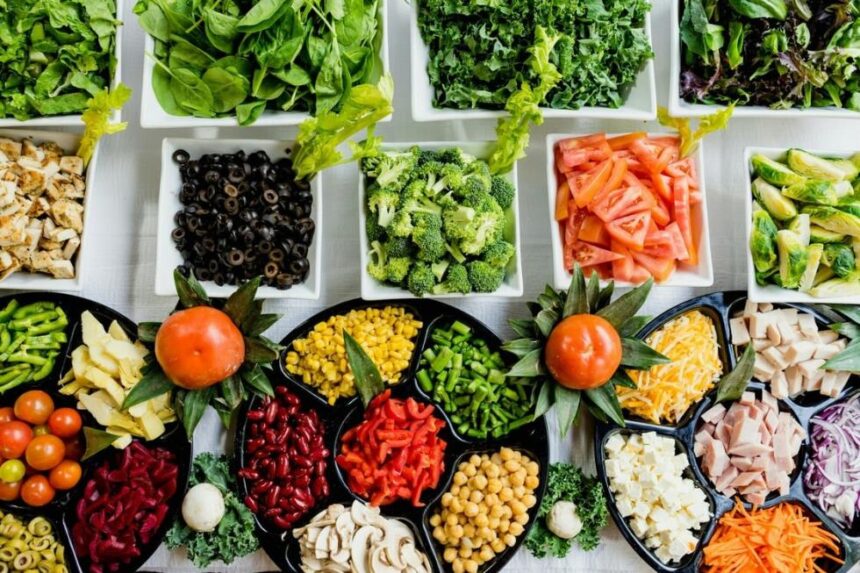
The most appropriate diet to support serotonin is the Mediterranean or a “plant -centered” diet, rich in fiber, good fat and colorful, whole fooda. This approach supports both the microbiome and the production of neurotransmitters.
“It is not only about increasing serotonin, but the creation of a balanced internal environment that supports mood and well -being,” Richter said.
She notes that for many people nutritional interventions can be complemented in the pharmaceutical or psychotherapy treatment, always with expert advice.
Although there is no “magic food” that cures depression, science agrees that a balanced, rich fiber and probiotic diet can enhance bowel function and – at the extent – mental health.
Source: lifo.gr