
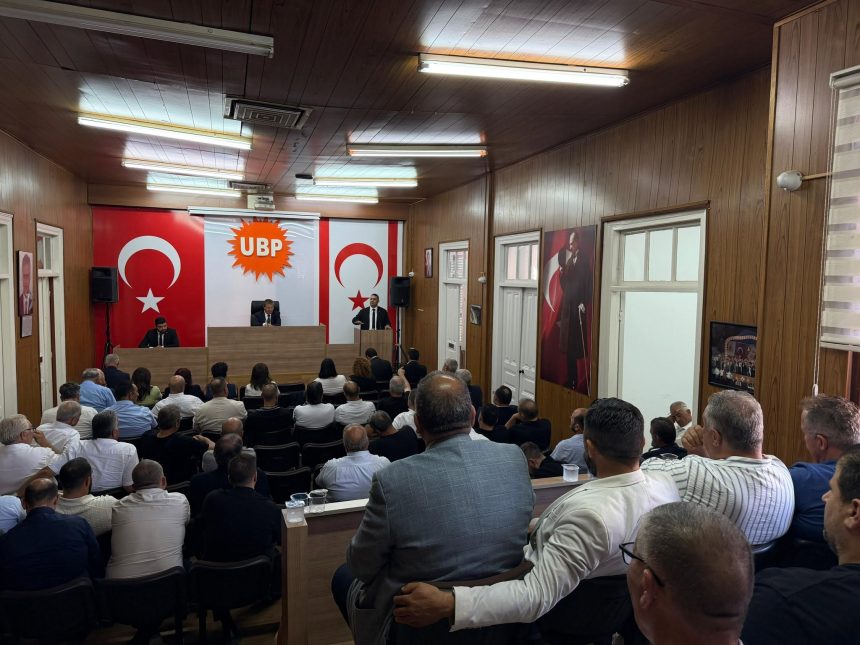
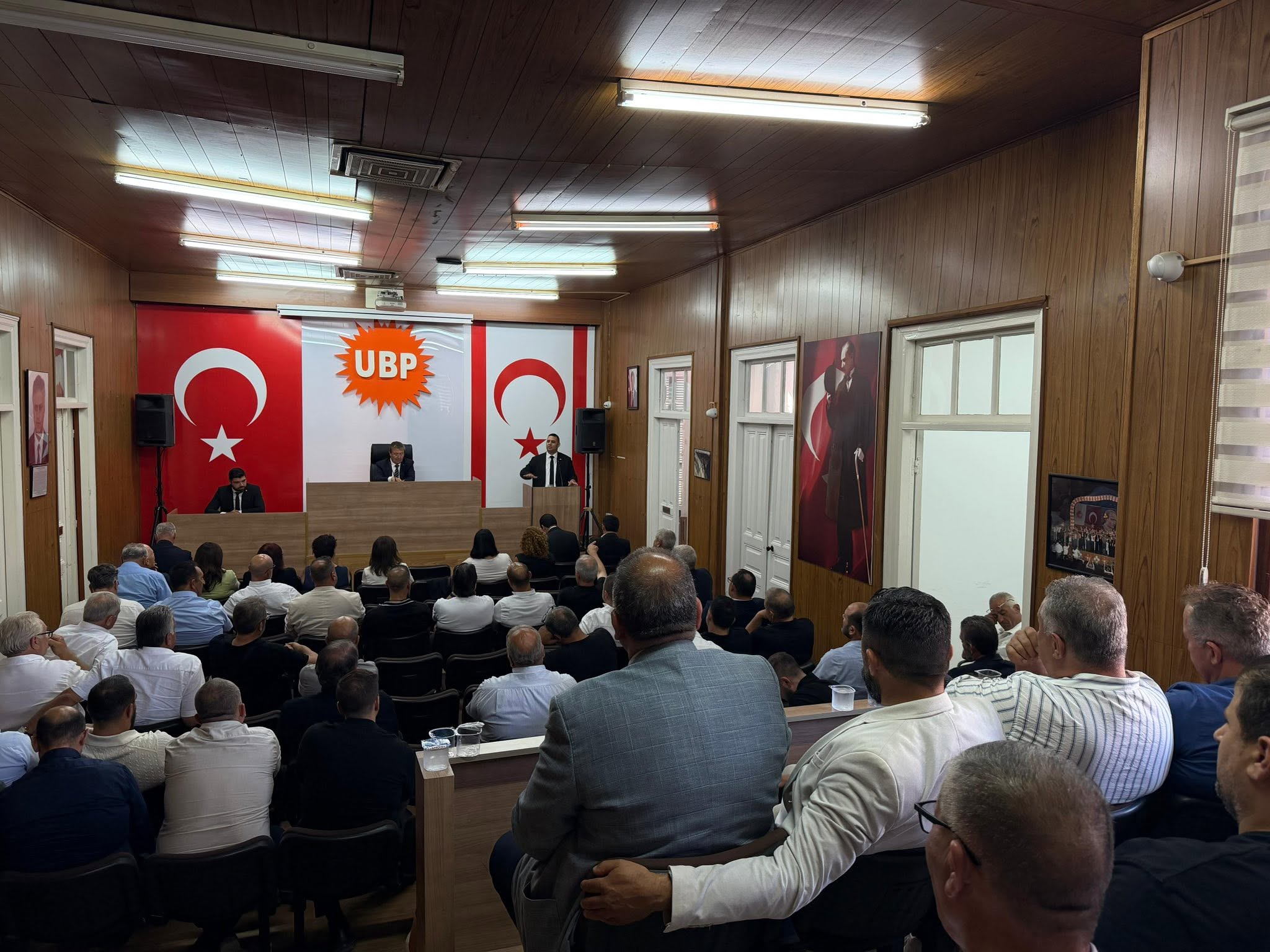
Chain reactions within the “co-government” in the occupied territories seem to be caused by yesterday’s decision of the National Unity Party (UBP) to promote the parallel holding of “local elections” and “parliamentary elections” on the same day, as well as the abolition of the system of horizontal voting.
The decisions were taken unanimously during yesterday’s meeting of the UBP Central Board, chaired by party leader and “prime minister”, Unal Ustel, and subsequently approved by the Party Council.
However, the decision to hold the two electoral contests simultaneously seems to widen the gap between the partners of the so-called joint government. Both the Democratic Party (DP) and the Renaissance Party (YDP) have already expressed their disagreement publicly, arguing that the two electoral contests should be held on different dates.
Indicative of the climate is the recent statement of the president of the DP, Fikri Ataoglou, who had stated that “the two elections will not be held on the same day because three or five UBP MPs want it”. On the same wavelength is the YDP, which has come out in favor of holding the elections on different dates, stating that it agrees with the position of the DP.
For his part, Unal Ustel defended his party’s decision, arguing that holding the elections simultaneously “will increase voter turnout, save resources and enhance administrative and political stability.”
Referring, moreover, to the abolition of the system of horizontal voting, he argued that the change would lead to “a simpler electoral system”, which, he said, “will strengthen the will of the voters and contribute to the democratic process”.
Now, the focus is on the “parliament”, which will be asked to consider and decide on the relevant changes.